
Welcome to Jinan Baisite Bearing Co., Limited
JINAN BAISITE BEARING CO., LIMITED
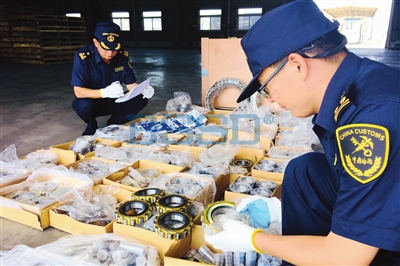
1. Significantly Increased Inspection Rates, with Electromechanical Products Becoming Frequently Inspected Targets
Customs General Administration Announcement No. 57 officially came into effect on June 1st, significantly expanding the scope of export inspections. Even for general goods subject to illegal inspection, the following categories will be subject to frequent random checks: electronic products, low-voltage electrical appliances, auto parts, textiles and apparel, furniture, and toys. By June 2026, the national export inspection rate will increase to 8%, with inspection rates for high-risk categories (underreported, vaguely named, sensitive goods) reaching 20%-50%. Bearings, as electromechanical products, are included in the key supervision scope.
2. "Four-in-One" Full-Chain Data Comparison, Dramatically Increased Risks of Export Through Counterfeiting
Customs Single Window, tax, foreign exchange, and anti-smuggling data are now integrated in real time. Cross-verification is achieved across the entire chain of customs declarations, manifests, logistics, invoices, and foreign exchange receipts. Key red lines include:
The invoice's product name/specification/unit must be completely consistent with the customs declaration.
The receiving party = the contract buyer, and the paying party = the invoicing party. Third-party payments and fund repatriation are strictly prohibited.
Exporting with purchased invoices, exporting without invoices, and underreporting value will trigger warnings and affect tax refunds.
3. Upgraded requirements for export tax refund (exemption) filing documents.
According to Announcement No. 5 of 2026 issued by the State Taxation Administration, taxpayers must properly retain the contract, bill of lading, invoice, and other filing documents within 15 days of declaring export tax refunds (exemptions) and create a filing document catalog. The retention period for filing documents has been extended from five years to ten years. Enterprises can choose to retain them in paper, image, or digital form.
4. New regulations for export declaration of drones and machine tools to take effect on June 30.
Announcements No. 77 and 78 of the General Administration of Customs will officially take effect on June 30, imposing stricter requirements on export declarations of industrial machine tools (lathes, milling machines, grinding machines, etc.) and drones and related items. Key changes include:
Regardless of whether goods are subject to export controls, a clear indication ("subject to export controls" or "not subject to export controls") must be made in the remarks column of the customs declaration.
More detailed product technical information, specifications, and intended use are required.
Cross-border e-commerce channels are also included; the simplified method of only reporting the first four digits of the tariff code is no longer permitted.
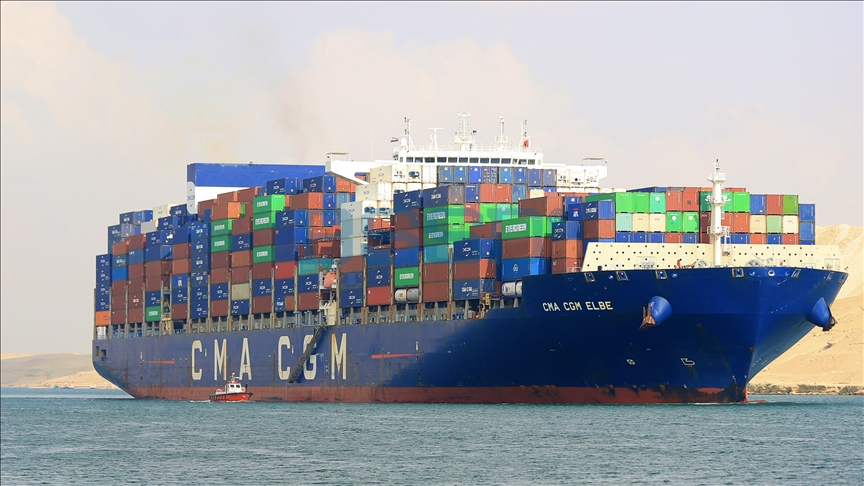
5. Logistics to Russia: Land Transport Under Pressure Sino-Russian trade volume continues to grow. From June 2025 to February 2026, international freight volume from Harbin to Russia and Europe increased by 47% year-on-year. Land transport remains the mainstream mode of transportation, accounting for 68%. Key ports such as Manzhouli, Suifenhe, and Heihe experience heavy traffic. Companies with business dealings with Russia are advised to plan their logistics in advance.
Action Recommendations for Bearing Exporters:
Immediately check HS codes: Confirm product classification accuracy to avoid fines or tax refund delays due to incorrect classification.
Standardize document management: Ensure invoices, customs declarations, and foreign exchange receipt information are accurate; retain all filed documents within 15 days.
Prepare test reports in advance: For products likely to be frequently inspected, prepare certification, material, and safety standard documents in advance.
Pay attention to the new regulations on June 30th: If exporting machine tools or related components, adjust the declaration process in advance.
Evaluate logistics plans: For business with Russia, it is recommended to allow more logistics buffer time.
News
Jinan Baisite Bearing Co., Limited